Slippery Paths After Rain? How to Tackle Algae Safely
Anyone in Geelong who has stepped onto a paved path, timber deck or concrete driveway after a wet week knows how treacherous a green, slimy surface can be. Algae growth is one of the most common causes of slips around Victorian homes, and it becomes more noticeable through autumn, winter and early spring when rainfall, cooler temperatures and shaded conditions combine. This guide explains why algae thrives in Geelong, how to remove it safely and how to keep it from returning in 2026 and beyond.
Why Algae Grows on Paths in Geelong
Algae is a simple https://pressurecleaninggeelong.com.au/tennis-court-cleaning/ photosynthetic organism that spreads through microscopic spores carried by wind, rain and insects. It needs only moisture, a little light and a surface that holds dampness. Geelong's climate offers plenty of all three, particularly in suburbs close to the bay and the Barwon River, where humidity is higher and morning dew lingers.
Several local factors increase the risk:
- Shaded areas: South-facing paths, narrow side passages and spaces beneath trees or eaves stay damp for longer.
- Porous surfaces: Unsealed concrete, pavers, sandstone and bluestone absorb moisture and give algae something to cling to.
- Poor drainage: Paths with low spots or inadequate fall hold water and allow algae colonies to establish quickly.
- Organic debris: Leaves, soil and gum nuts break down into nutrients that feed algae and moss.
- Coastal moisture: Sea air and regular showers keep surfaces damp even when it is not raining.
The Safety Risks of Algae-Covered Surfaces
A thin film of algae can reduce slip resistance dramatically, especially on smooth concrete, glazed tiles or painted surfaces. Older residents, children and anyone carrying shopping or equipment are most at risk. For landlords, body corporates and business owners, a slippery entrance or walkway can also create liability concerns. Regular inspection and prompt cleaning are practical parts of managing a safe property.
How to Remove Algae Safely
There are several effective methods, and the right choice depends on the surface type, the severity of the growth and the surrounding plants. Always put your own safety first when working on a slippery area.


Prepare the Area
Wear non-slip, closed footwear, waterproof gloves and eye protection. Sweep away loose leaves and dirt, and move pot plants, furniture and doormats. Wet nearby garden beds and lawn with fresh water so they are less likely to absorb any cleaning solution.
Start with Gentle Methods
For light growth, a stiff outdoor broom or nylon-bristle brush and a bucket of warm water with a small amount of mild detergent can be enough. Scrub the area thoroughly, then rinse with clean water. Avoid wire brushes on pavers or timber, as they can scar the surface and create more places for algae to take hold.
Use an Algae Treatment Product
For stubborn or widespread growth, a purpose-made outdoor algae and mould remover is often the best option. These products are designed to kill the organism rather than just wash off the surface layer. Follow these steps:
- Read the label and check the product is suitable for your surface type.
- Dilute exactly as directed, as stronger is not always better and can damage surfaces or plants.
- Apply evenly with a watering can, pump sprayer or soft broom.
- Leave it to work for the recommended time without letting it dry out completely.
- Scrub lightly if needed, then rinse thoroughly with water, keeping runoff away from stormwater drains where possible.
Never mix cleaning chemicals, particularly products containing bleach with those containing ammonia or acids, as this can release harmful fumes.
Consider Pressure Washing Carefully
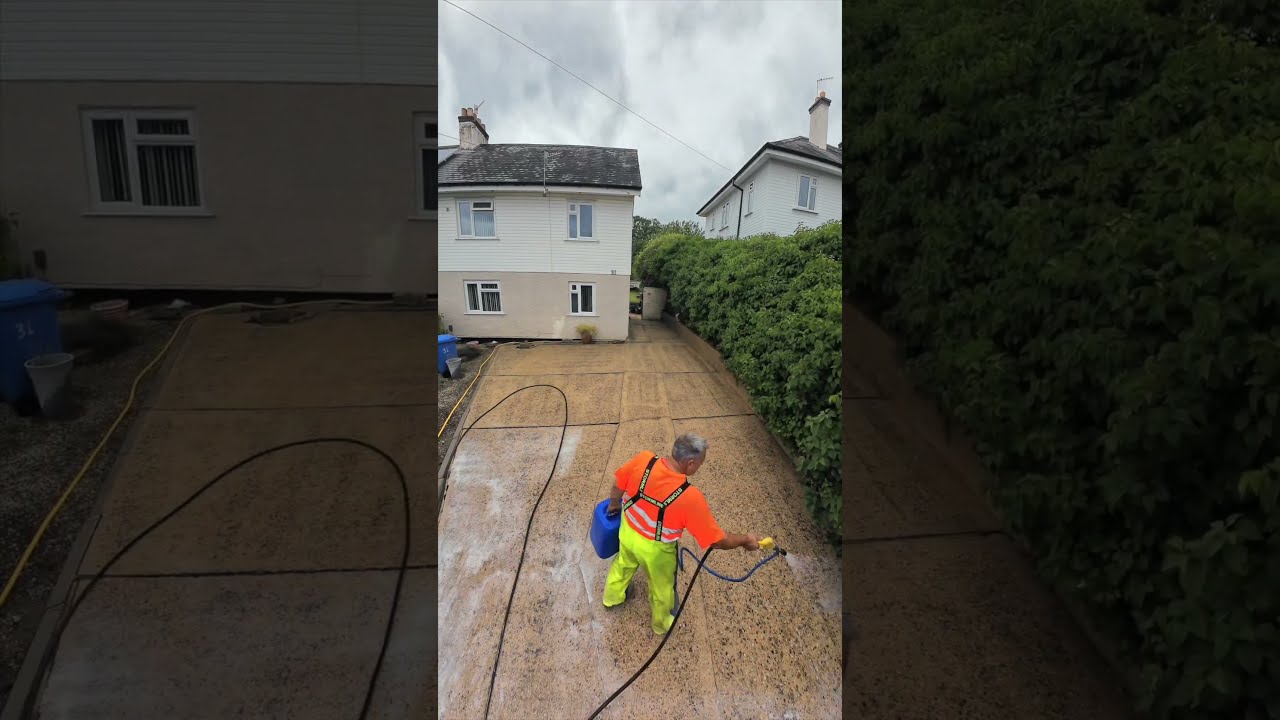
Pressure cleaning is popular because it works quickly, but it needs care. Too much pressure can etch concrete, strip sealants, dislodge paver sand and damage soft stone or timber. Use a wide fan tip, keep the nozzle at a sensible distance and test a small hidden area first. On decks, work along the grain of the timber. If you are not confident, a professional pressure cleaning service in Geelong can assess the surface and choose the right pressure and technique.
Protecting Plants, Pets and Waterways
Many algae treatments can harm garden plants and pets if used carelessly. Keep pets and children away until surfaces are completely dry. Cover sensitive plants or rinse them before and after treatment. In Geelong, stormwater drains typically flow to local creeks, wetlands and Corio Bay without treatment, so avoid letting detergents or chemicals run into the street. Where possible, direct rinse water onto lawn or garden areas that can absorb it, and choose biodegradable products.
Preventing Algae from Coming Back
Cleaning only solves the problem temporarily if the conditions that encourage algae remain. A few practical changes can extend the time between cleans:
- Trim back vegetation: Pruning overhanging branches and shrubs increases sunlight and airflow.
- Clear gutters and downpipes: Overflowing water often runs across paths and keeps them wet.
- Improve drainage: Correct pooling areas or install a drainage channel where water collects.
- Sweep regularly: Removing leaf litter and dirt takes away algae's food source.
- Apply a sealer: A quality penetrating sealer can reduce moisture absorption on concrete and pavers, though it should be applied to a clean, dry surface.
- Add slip-resistant treatments: Anti-slip coatings or textured finishes are worth considering on steps, ramps and pool surrounds.
When to Call a Professional
DIY cleaning suits small, accessible areas, but professional help is worth considering when growth covers large driveways, multi-level properties or commercial entrances. It is also wise for delicate surfaces such as natural stone, aged timber or heritage paving. A local cleaner will understand Geelong's weather patterns and common surface materials, and can recommend a maintenance schedule, which in shaded or damp areas may be once or twice a year.
Final Thoughts
Algae on paths is a predictable result of Geelong's damp weather, but it does not need to become a safety hazard. Regular inspection, careful cleaning with suitable methods, and simple changes to drainage and vegetation can keep outdoor surfaces safe and attractive throughout the year. Tackling slippery patches early is easier, cheaper and far safer than waiting until a fall happens.
Geelong Pressure Cleaning Pros
(03) 8657 4277